

This post is from March 2023, and some of the content may be out of date.
Faced with an economic downturn, companies of all sizes can encounter challenges that may threaten the survival of the business. Business leaders should be prepared for the consequences an economic downturn can have on their business.
In this article, we take a closer look at the challenges companies may face during an economic downturn, and at how an interim manager can help companies reduce the risks and maintain profitability. We will also discuss various strategies that companies can use to prepare for and manage an economic downturn.

Economic downturns
Economic downturns – or recessions, as we also call them – are a natural part of economic cycles, and they can have significant consequences for businesses and the economy as a whole. During an economic downturn, consumer and business spending falls, which can lead to lower sales and revenue for many companies. In addition, credit markets may tighten, which can make it harder for companies to obtain the financing they need to invest, expand or run their operations. This can create a challenging situation for companies of all sizes, and it is important for business leaders to be aware of the potential risks and challenges they may face during an economic downturn. In many of these challenges, an interim manager can be the solution.
The banking crisis of 2008 is no doubt still fresh in the minds of those who were leaders back in 2008, and recent news from the USA, Lebanon and elsewhere may be a warning that a new economic downturn is on the way.
Falling sales and revenue
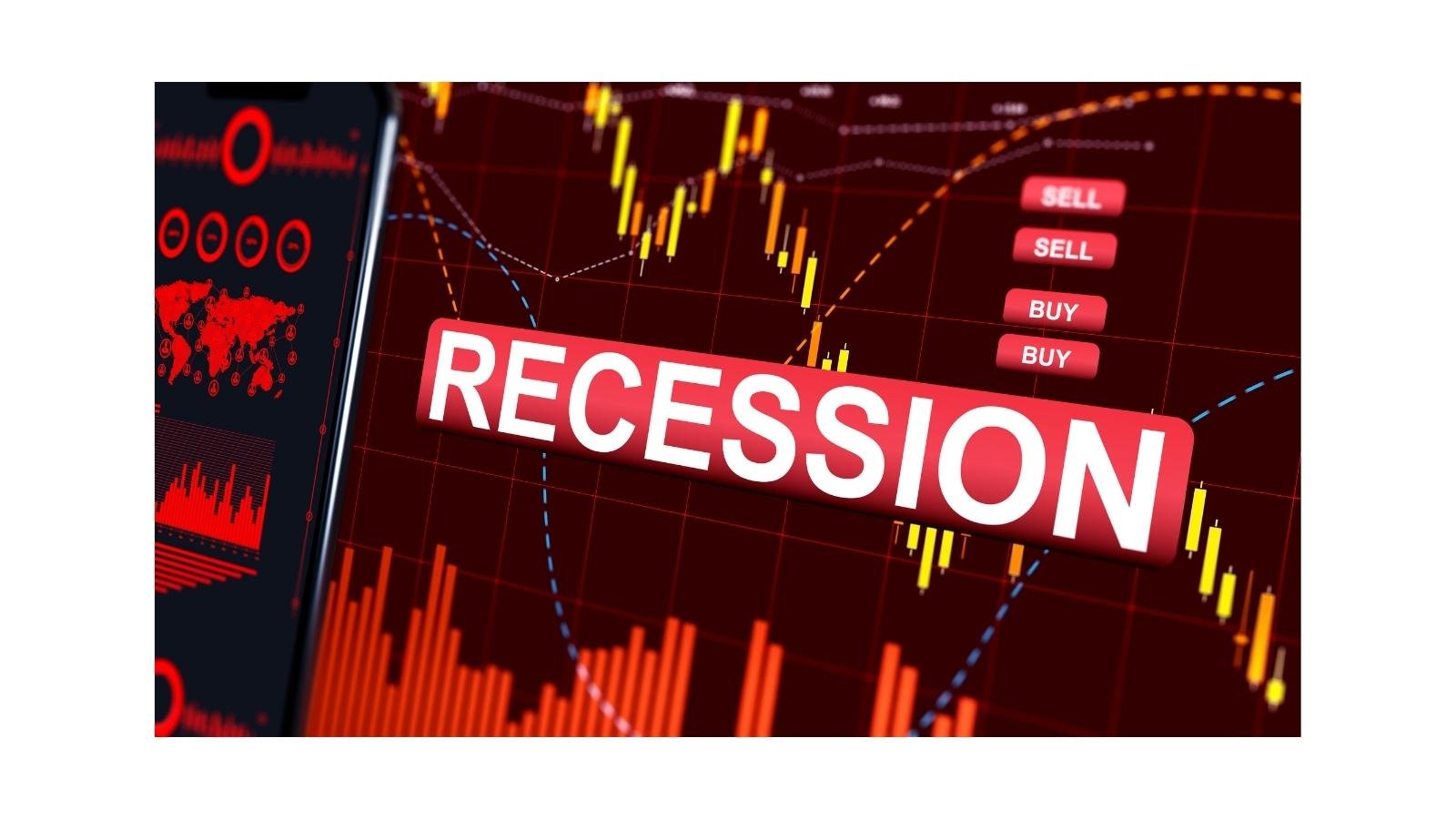
One of the most significant challenges companies can face during an economic downturn is a fall in sales and revenue. When consumers and businesses cut back on their spending, many companies may see lower demand for their products or services. This can put pressure on companies to cut costs, temporarily lay off employees or find other ways to increase efficiency and maintain profitability. These can often be difficult processes for established leaders, but with the help of an interim manager, the cost base can be adapted quickly and effectively to the new reality.

Increased competition
In addition to falling sales and revenue, an economic downturn can lead to increased competition, as companies fight over a smaller customer base and market share. Companies may need to invest more in marketing and advertising to maintain their position in the market, and they may need to be more aggressive in their pricing strategies to compete effectively. This can put pressure on profit margins and may require companies to make difficult decisions about how to allocate their resources. An interim manager can help companies develop a competitive strategy that takes account of changed market conditions and makes the best use of resources.
Access to credit
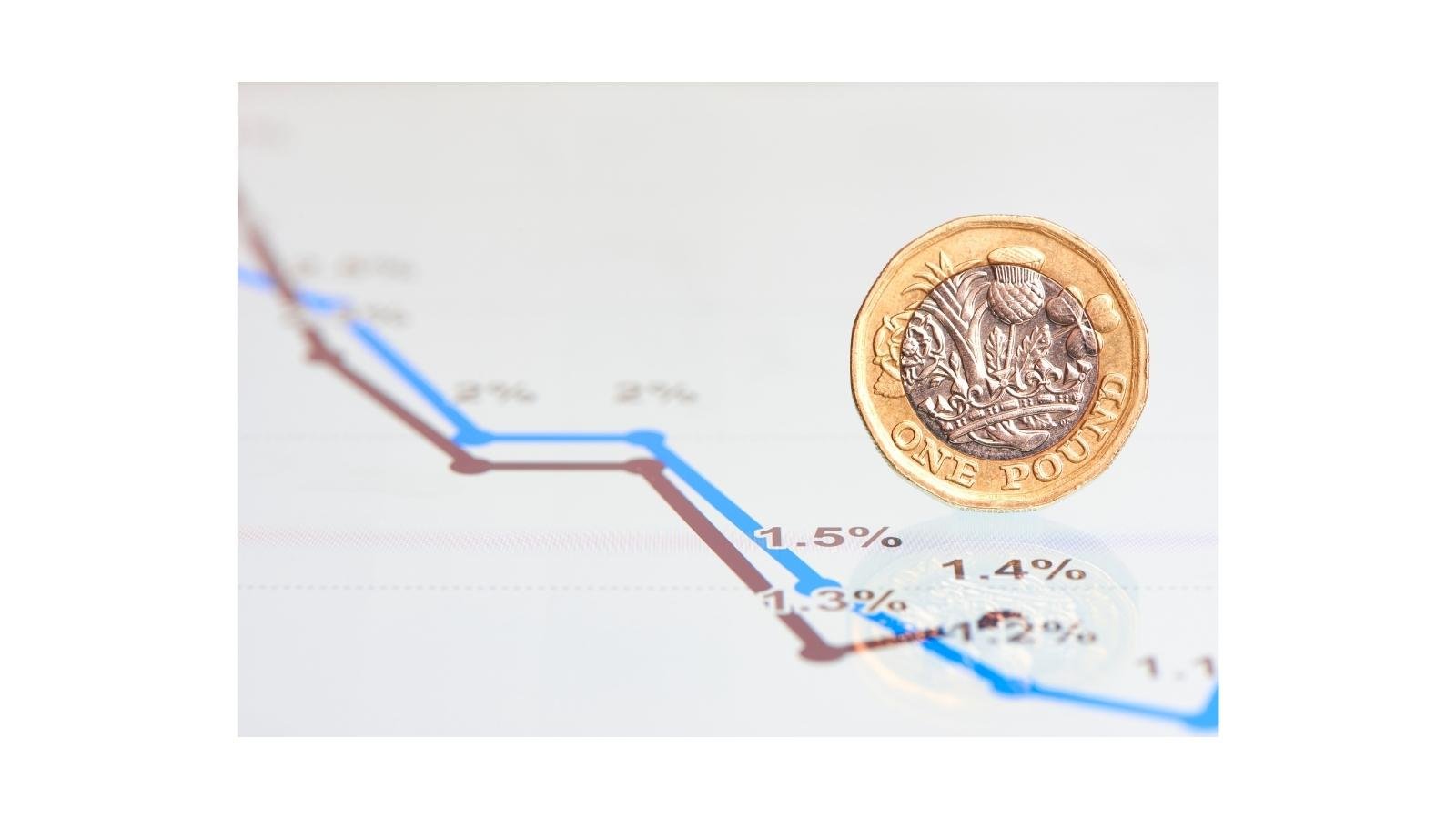
During an economic downturn, credit markets may tighten, which can make it harder for companies to obtain the financing they need to invest, expand or run their operations. This can create significant challenges for companies that want to grow or that face unforeseen expenses. Companies with high levels of debt, or that depend on credit to finance their operations, can be particularly vulnerable during an economic downturn. We can provide an interim manager who is an expert in credit markets and financing.
Regulatory changes
An economic downturn can also lead to regulatory changes, as governments and regulators seek to limit the economic consequences of the downturn and support businesses and consumers. This can create uncertainty for companies and may require them to adapt to new rules and requirements. Companies that operate in heavily regulated industries, or that are strongly affected by government policy, can be particularly vulnerable to these changes.
Strategies for reducing the risks
Although economic downturns can be challenging for companies, there are strategies companies can use to reduce the risks and maintain profitability. One approach is to focus on improving efficiency and reducing costs. This may involve streamlining operations, outsourcing non-core functions or renegotiating contracts with suppliers. Companies may also have to make difficult decisions about staffing levels, but it is important to balance cost-saving measures against the need to maintain employee morale and productivity.
Another approach is to diversify revenue streams and customer bases. Companies that are heavily dependent on a single product or customer can be more vulnerable to the consequences of an economic downturn. By diversifying their offering and customer base, companies can reduce their dependence on a single source of revenue and become more resilient to economic downturns.
As mentioned, companies can consider bringing in external expertise in the form of an interim manager to navigate the challenges of an economic downturn. This may involve hiring a consultant or an interim manager with experience of handling tough economic times. These experts can bring new ideas and strategies into the company to help deal with the challenges an economic downturn can bring.

Frequently asked questions

What are some of the most common mistakes companies make during an economic downturn?
Some of the most common mistakes companies make during an economic downturn include cutting costs too aggressively without considering long-term growth and sustainability, underestimating the need to maintain employee morale and productivity, and failing to bring in external expertise, such as an interim manager, to handle complex challenges.
What are some of the benefits of bringing in external expertise during an economic downturn?
Bringing in external expertise during an economic downturn can give companies new perspectives and ideas for dealing with the challenges they face. The experts can also contribute specialist knowledge and experience that the company does not necessarily have in-house.
What are some of the benefits of diversifying revenue streams and the customer base?
Diversifying revenue streams and the customer base can reduce the company's dependence on a single source of revenue and make it more resilient to economic downturns. It can also open up new opportunities for growth and expansion in the future.
What should companies consider when making decisions about reducing staffing levels during an economic downturn?
Companies should take employee morale and productivity into account when making decisions about reducing staffing levels during an economic downturn. It may be wise to prioritise retaining key employees and to offer support and training to employees affected by staffing changes.
What can companies do to prepare for an economic downturn?
To prepare for an economic downturn, companies can monitor economic indicators and trends and develop ongoing contingency plans and emergency procedures. Companies can also consider building up cash reserves and diversifying their revenue streams and customer base.
How can an interim manager help my company in an economic downturn?
An interim manager can contribute specialist knowledge and experience to help the company tackle the challenges of an economic downturn, such as improving efficiency, reducing costs and diversifying revenue streams.
What does it cost to use an interim manager?
The cost of using an interim manager can vary depending on the length of the engagement, the size of the company and the specific task to be solved.

Summary
An economic downturn can be a challenging time for companies of all sizes. Companies can face a range of challenges, including falling sales and revenue, increased competition, limited access to credit and regulatory changes.
To reduce the risks and maintain profitability during an economic downturn, companies can use strategies such as improving efficiency, diversifying revenue streams and the customer base, and bringing in external expertise in the form of an interim manager.
Get in touch and we will find you an interim manager in no time!



